
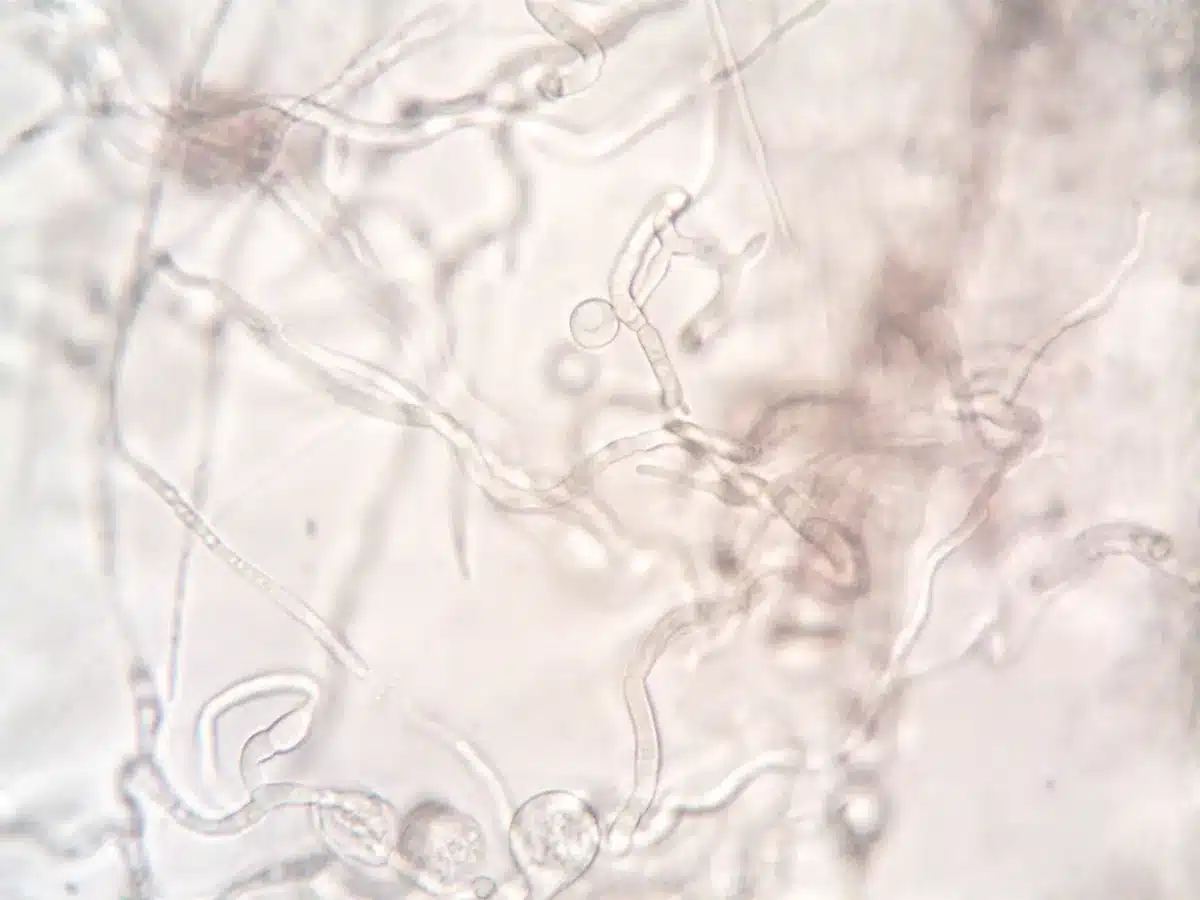
A new study in Nature Communications links astronauts’ frequent bouts of constipation to shifts in their intestinal microbes triggered by weightlessness. By tracking blood markers from crew members before, during and after missions, scientists say the microbiome pivots away from fermenting fiber and instead breaks down protein — with measurable effects on metabolism.
What the researchers did and found
The team followed 52 astronauts who flew to the International Space Station, analyzing 488 plasma samples for hundreds of chemical compounds. Roughly 40 metabolites showed consistent changes during flight, signaling a marked alteration in microbial activity and host metabolism.
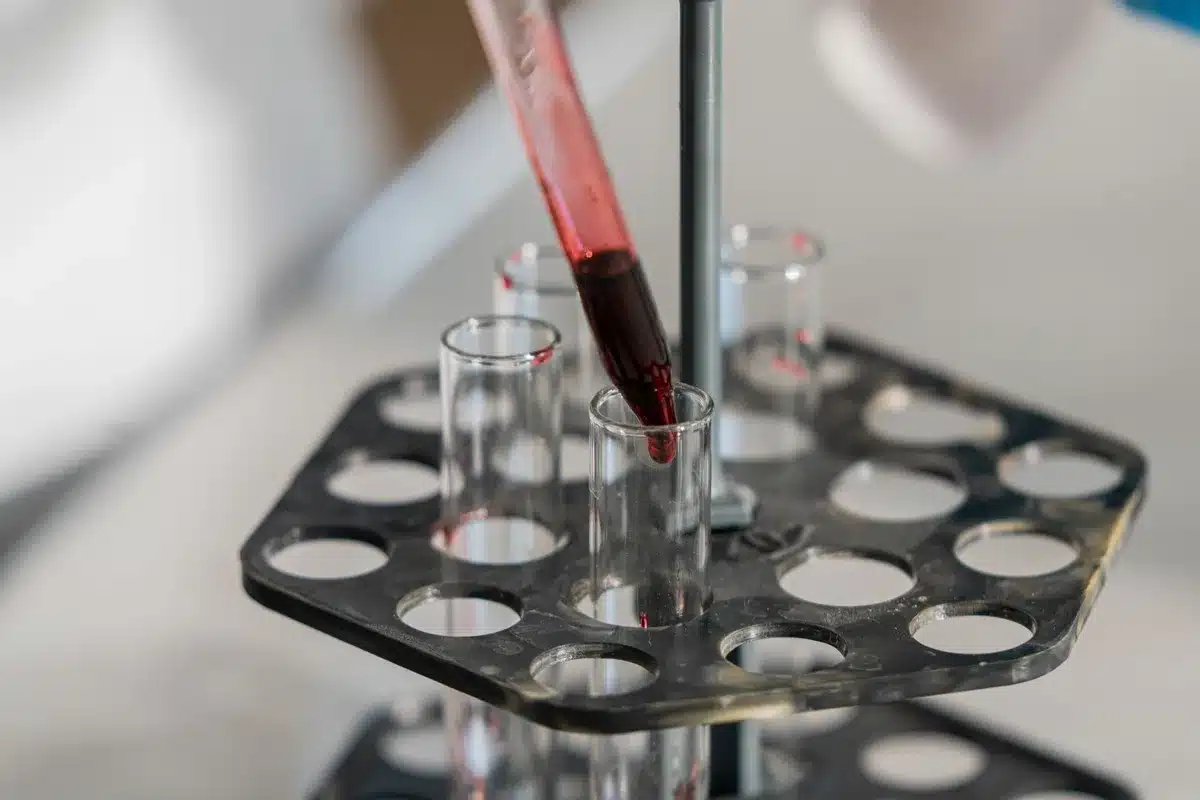
According to the paper, the pattern points to slower intestinal transit in orbit. When digestion slows, the supply of readily fermented carbohydrates and fiber drops. That leaves gut bacteria to feed on alternative substrates — notably protein — producing a different mix of byproducts that turn up in the bloodstream.
- Sample size: 52 astronauts, 488 plasma samples
- Biochemical changes: ~40 metabolites altered during spaceflight
- Timing: Shifts began soon after launch and mostly resolved within days of return
- Diet impact: Dietary changes explained about 27.5% of the metabolic variation; the remainder was attributed to microgravity-related effects
- Proposed countermeasure: Increasing slowly fermented carbohydrates (more fiber) in space menus
Why it matters now
As missions lengthen and commercial space travel expands, digestive health is not just a comfort issue — it affects crew performance and medical planning. Changes in microbial metabolism can influence nutrient availability, inflammation and how medications are processed, so understanding and preventing orbit-related constipation has practical consequences for mission safety and comfort.
The researchers offer a straightforward, low-tech remedy: boost fiber in space diets to keep microbes consuming the substrates they prefer. Early restoration of typical fermentation patterns after return also suggests the effect is reversible, which is useful for short-term mission planning but raises questions for longer voyages.
Broader implications and next steps
The study strengthens the case for targeted nutritional strategies and microbiome monitoring in spaceflight medicine. Future work will need to test specific dietary interventions, explore tailored prebiotic or probiotic approaches, and determine how other space stressors — from altered sleep to radiation — interact with gut ecology.
For now, the finding is a reminder that even small physiological shifts in orbit can cascade into everyday problems like constipation, and that simple menu changes might offer immediate relief for crews leaving — and returning to — Earth.
Similar Posts
- Vitamin linked to when you go: research finds one nutrient may set your daily bowel clock
- Space Garbage Crisis: Scientists Propose Plasma Trash Collector to Clean Up
- Shocking Discovery: Space Travel May Be Aging Astronauts Rapidly!
- Astronaut phone video shows Earth sliding below horizon: viral clip confirms human spaceflight
- Shocking Discoveries: What’s Really Lurking in Your Socks?

Miles Harper focuses on optimizing your daily life. He shares practical strategies to improve your time management, well-being, and consumption habits, turning your routine into lasting success.