
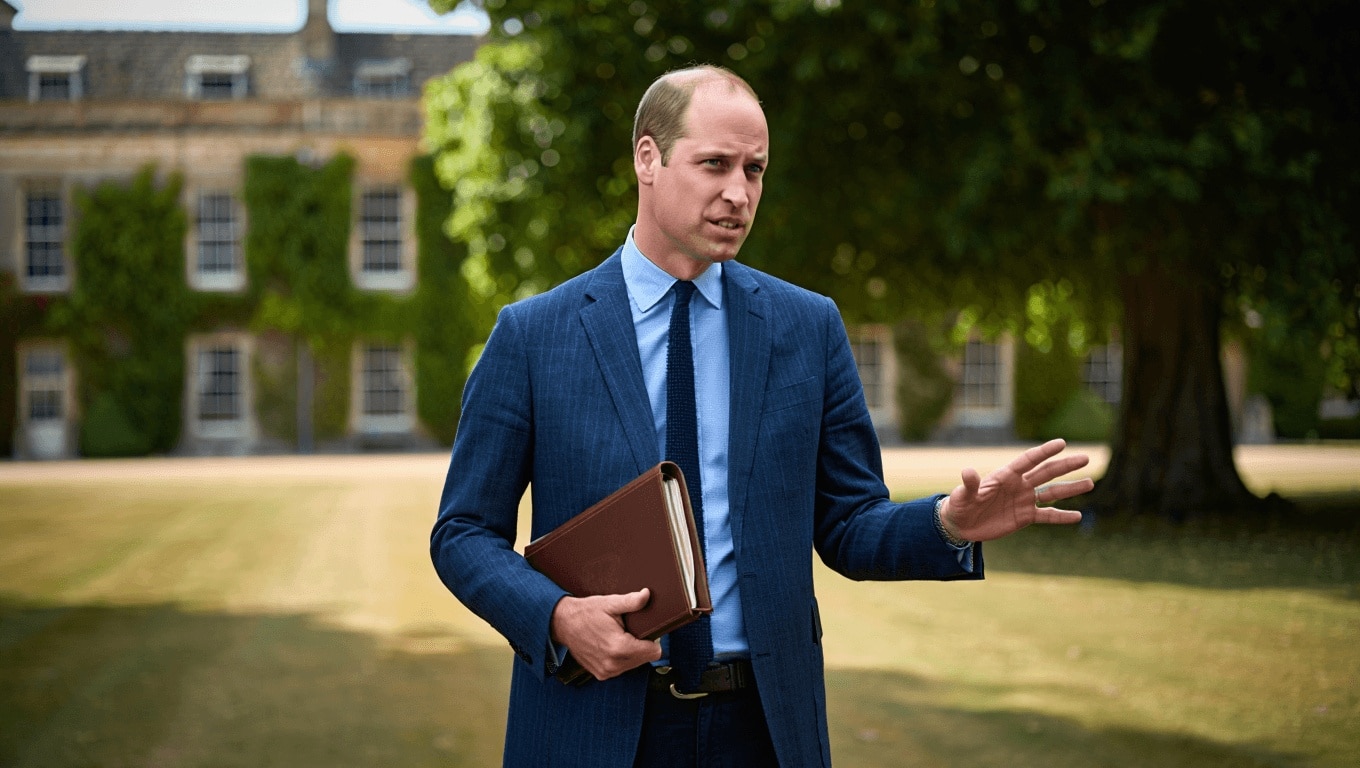
Prince William has announced plans to sell one-fifth of the Duchy of Cornwall and direct the proceeds into housing and nature projects selected for their greatest social and environmental benefits. The move could free significant capital for affordable homes and conservation at a moment when both issues are high on the public agenda.
Why this matters now
The Duchy of Cornwall is a long-standing private estate whose income traditionally supports the heir apparent. Redirecting a portion of its assets toward social housing and environmental initiatives marks a notable shift in how royal holdings may be deployed to address immediate public needs. For communities facing housing shortages and for conservation efforts coping with declining biodiversity, these funds could translate into measurable, local outcomes.
What the sale would do
Officials say the profits will be allocated to projects chosen for the biggest combined social and environmental impact. That language suggests a focus on initiatives that simultaneously address housing shortages and ecological restoration, rather than funding isolated charitable activities.
Exactly which properties or assets will be sold, and the timetable for the transaction, have not been published. Observers will be watching for details about the sale process, valuation, and safeguards intended to ensure transparency and public accountability.
Potential uses and consequences
- Affordable housing: Funding could support new construction, renovation of existing stock, or financing mechanisms that lower long-term costs for renters and first-time buyers.
- Habitat and nature restoration: Money might go toward land restoration, rewilding, river and wetland recovery, or urban green-space projects that boost biodiversity and climate resilience.
- Community-led initiatives: Grants or investment into community land trusts and cooperatives could give local residents a stake in development and stewardship.
- Economic and planning effects: Large-scale asset sales can influence local land prices, development patterns, and municipal planning priorities.
- Accountability and oversight: The public interest in how proceeds are prioritized will likely increase demands for transparent selection criteria and measurable outcomes.
Context
Historically, the Duchy has managed a mixed portfolio that includes property, agricultural holdings, and commercial investments. Using proceeds from a partial sale to fund targeted social and environmental projects reflects broader trends in impact investing—where capital is directed to achieve both financial returns and public-good outcomes.
Yet moving from announcement to delivery will require clear governance: how projects are selected, who measures their impact, and what safeguards exist to prevent conflicts of interest. Those questions will shape whether the initiative achieves the benefits its supporters envision.
What to watch next
Key items to follow include the list of assets put up for sale, the estimated revenue, and the mechanisms that will allocate funds to specific projects. Local governments, housing groups, conservation organizations and watchdogs are likely to scrutinize each step.
For residents in areas where Duchy land is being sold, the change could affect nearby development and conservation plans. For national policy debates, the move may influence conversations about how private wealth can be mobilized to address public challenges.
Ultimately, the impact will depend on the details: which assets are sold, how proceeds are invested, and how success is measured. Clear timelines, published criteria, and independent reporting will determine whether the plan delivers sustained social and environmental value.
Similar Posts
- Data center replaces donated parkland after town sells site for millions
- Cincinnati veterans to get 14 $70K tiny homes on church land: move out of temporary housing
- Gold and strategic minerals: 19 tons found, officials hiding a key detail
- Floating city resumes life: home to 80,000 with stadium, schools and 8 helipads
- Biodiversity fund of $200M shields 100 species in 30 countries: wealthy donors pivot

Calvin Baxter is an economic analyst specializing in the evolving US labor market. He leverages real data to provide you with concrete recommendations and help you adjust your professional strategies.