
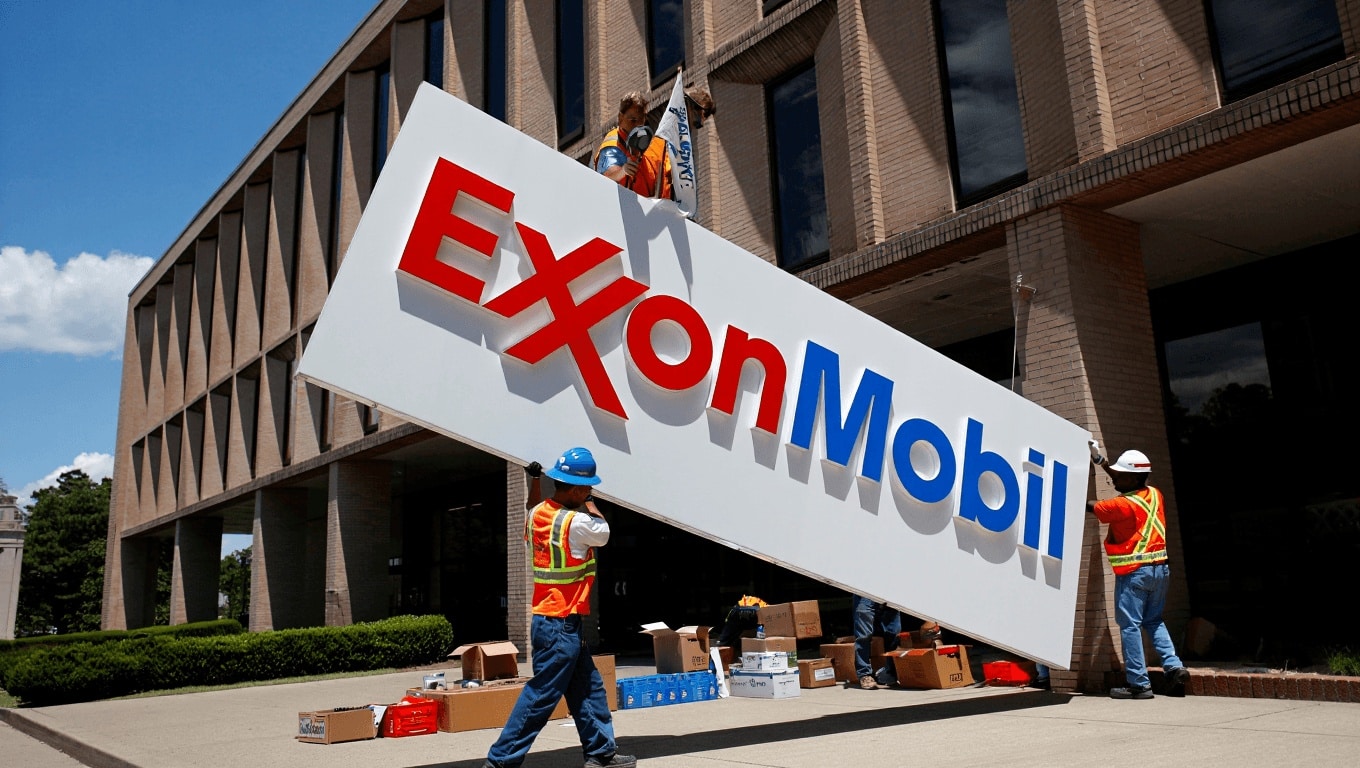
ExxonMobil has formally abandoned New Jersey as its legal home after more than 140 years — a change that matters less for its street address than for what it reveals about taxes, legal power and corporate strategy. The move signals how big corporations manage risk, influence and state-level costs, and it raises immediate questions about revenue and oversight for jurisdictions that once claimed the company as theirs.
Why the legal domicile matters now
Changing a company’s legal home is not the same as moving its plants or headquarters, but it can shift where the company faces key legal rules and tax burdens. For investors and state officials, a corporate re-domicile alters the regulatory backdrop for lawsuits, mergers, and internal governance fights. For taxpayers and local governments, it can mean a decline in tax revenue, political leverage, and symbolic ties to a major employer.
Legal and financial effects
A corporation’s charter state determines which courts interpret its bylaws and director duties, and which statutes govern shareholder suits and mergers. That affects:
– how disputes over mergers or executive pay are litigated,
– the ease with which activist shareholders can press changes, and
– the legal tools available to boards to defend or accept takeover bids.
At the same time, state-level tax regimes and incentives influence the calculus. Companies weigh corporate tax rates, franchise fees, and incentives packages against the predictability of corporate law when choosing a legal home.
Who stands to gain or lose
– Shareholders: Potentially clearer rules and predictable court precedents can reduce legal uncertainty, but tax savings do not always translate into higher returns.
– State governments: The state relinquishing domicile risks lower revenue and less control over corporate charters; the gaining state may see modest administrative benefits.
– Company management: Easier governance and defensive legal positions can strengthen board autonomy.
– Employees and local businesses: Operational impact is usually limited, though long-term political and tax shifts could affect local investment climates.
A broader corporate pattern
This shift fits into a wider trend: public companies increasingly treat legal domicile as a strategic lever. Corporations pick jurisdictions that offer a mix of advantageous tax rules, experienced business courts, and statutes that match management’s priorities on takeover defenses and director protections. That pattern has consequences beyond the courtroom — it informs lobbying, state competition for businesses, and how activists plan campaigns.
What to watch next
– Will the state that lost the legal domicile seek legislative changes or incentives to retain corporate ties?
– Will shareholders or activist groups challenge governance changes enabled by the new charter law?
– Might other large corporations follow suit if they see financial or legal advantages?
Bottom line: ExxonMobil’s switch is not merely a paperwork change. It highlights how companies use incorporation choices to shape legal risk, control costs and influence governance — and it forces local and state officials to reckon with the fiscal and political fallout of losing a corporate charter after a century-plus relationship.
Similar Posts
- International law binds the U.S.: German finance minister blasts Trump over Greenland threats
- Ghana crackdown topples South African gold miner: quick upheaval reshapes Africa’s mining rules
- Artemis II sparks hope: skeptics warn about the moon’s uncertain future
- Data center replaces donated parkland after town sells site for millions
- Walmart’s $5.6M Payout: Find Out If You’re Eligible!

Calvin Baxter is an economic analyst specializing in the evolving US labor market. He leverages real data to provide you with concrete recommendations and help you adjust your professional strategies.