

A tiny, instinctive move—shoving sunglasses up onto the crown of the head—has quietly become a viral shorthand for attractiveness. The gesture’s appeal isn’t just about the shades themselves; it signals something deeper about how people read confidence and effort in social interactions.
On TikTok a recent prompt asked what the female counterpart to a man’s backward baseball cap might be. Responses flooded in, and one look kept reappearing: sunglasses perched on top of loose hair, placed there without ceremony. Viewers described the effect as accidental and unstudied—exactly the quality that made it feel magnetic.
What the gesture signals
Experts say the sunglasses do some of the visual work, but not for the reason you might expect. Vanessa Brown, a lecturer in design and visual culture at Nottingham Trent University, told Marie Claire that frames can create the impression of facial symmetry because their shape is mechanically balanced in a way few faces are. That symmetry can make a face look more appealing at a glance.
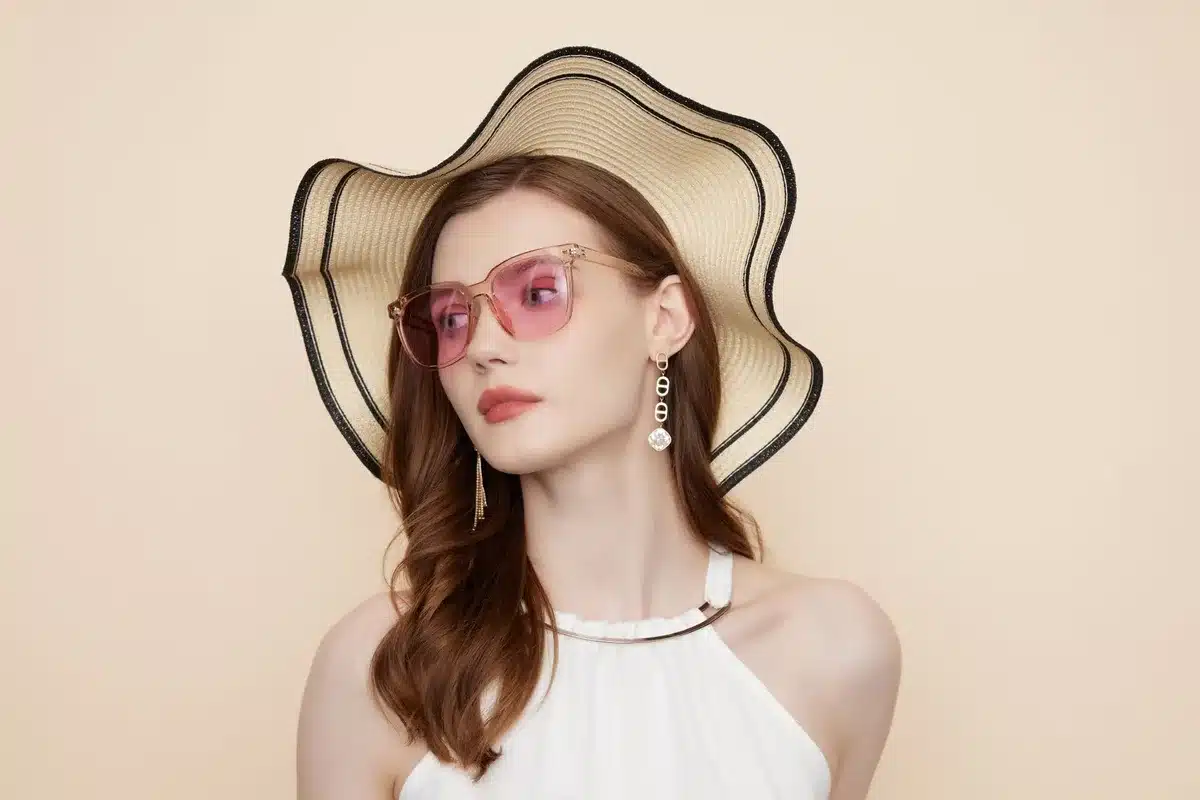
Still, the main draw is the motion—the casual, mid-conversation shove of the shades that suggests the person was simply doing something else and didn’t pause to arrange their appearance. That unstudied quality reads as effortless confidence, a trait Psychology Today and other observers have repeatedly linked to higher perceived attractiveness. In short: it’s not the sunglasses so much as what putting them on the head communicates.
There’s a parallel with the backward baseball cap: neither move appears to be staged for effect, which paradoxically can make it more alluring. Because the sunglasses option is accessible—any pair, any hair type, any moment—it becomes a widely recognized cue.
Why this matters now
Small nonverbal cues carry outsized weight in digital culture, where snippets of behavior are replayed and reinterpreted across platforms. A two-second gesture can become a trend, shaping how people present themselves on camera or in real life and influencing what counts as attractive in a fast-moving social-media economy.
- Spontaneity: The move looks unplanned, which signals authenticity.
- Facial framing: Frames can highlight facial features and suggest symmetry.
- Visibility: It briefly reveals more of the face and hair, changing perceived approachability.
- Universality: Works across styles—sunglasses, hair textures, and settings.
- Confidence cue: Implies the person isn’t preoccupied with others’ judgments.
People who commented on the TikTok thread brought up additional associations—certain dress styles, the way hair falls, partners noticing the look—which underlines how small signals combine with broader appearance cues in real-world attraction.
There’s no single rule for why a gesture like this resonates so widely. But for readers wondering whether a tiny, careless action can shape impressions: the evidence from social psychology suggests it can. The longer-term effect is cultural as much as aesthetic—micro-behaviors circulated online help set the tone for what feels appealing in the moment.
Similar Posts
- Surprising Traits Women Love in Men: Find Out What Really Attracts Them!
- Beard Hygiene Exposed: What Science Really Says About Your Facial Hair!
- Brazilian wax risk: hidden irritation many salons don’t warn you about
- Women Try Vabbing to Boost Attraction: Does This Trend Really Work?
- Gen Z split on sunscreen: dating etiquette clashes go viral

Miles Harper focuses on optimizing your daily life. He shares practical strategies to improve your time management, well-being, and consumption habits, turning your routine into lasting success.