
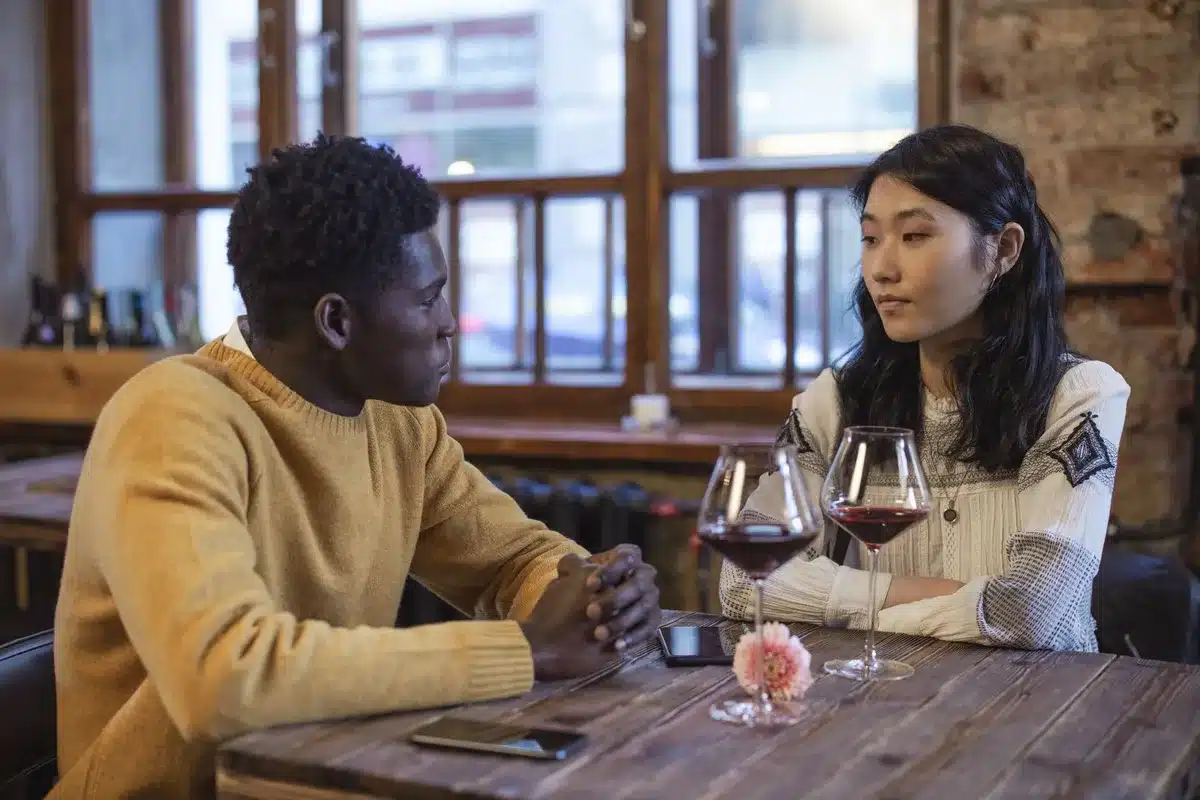
Men telling dates “you’re dangerous” has become a familiar line—and one that many women now roll their eyes at. What started as an attempt at flirtation is increasingly read as lazy, reductive, and sometimes even shifting blame onto the woman; that shift matters for how people navigate dating today.
Why the remark is grating
At surface level the comment is intended as a compliment: an attempt to signal attraction. But for a growing number of women on platforms like Reddit and TikTok, the phrase reads as formulaic and thoughtless. Users report hearing it repeatedly after a first kiss or a flirtatious exchange, and the repetition has drained any charm from the line.

Beyond boredom, there are deeper concerns. Labeling someone as “dangerous” can imply that subsequent risky choices are the other person’s fault—an unfair shift of responsibility. One Reddit contributor described the reaction as a reflexive frustration: the remark can feel like a neat excuse for someone else to absolve themselves of blame for their later behavior.
Therapist Kayte Callaghan told Metro that the implication of blame taps into longer histories of women being judged for their appearance or sexual behavior. In that context, what’s meant as flattery can carry an undertone that many recipients find uncomfortable or even threatening.
Where the line comes from
Pop culture has long romanticized women with a dangerous edge—the siren, the femme fatale—and that image filters into how people flirt. Psychological research has also shown that traits sometimes described as the “dark triad” (narcissism, Machiavellianism, psychopathy) can, in specific contexts, increase perceived attractiveness. Some daters seem to have inverted that pattern: if a “bad boy” persona is alluring, then calling a partner “dangerous” is presumed to be flattering.

But the comparison is flawed. Most people want to be noticed for their individuality, not pigeonholed into a cliché.
- Flattening: The phrase reduces a person to a trope rather than acknowledging their full personality.
- Deflection: It can be used, intentionally or not, to excuse future poor judgment by the speaker.
- Unwanted baggage: For people with lived experience of blame after sexual harm, the line can trigger discomfort.
Many women say the result is simple: it usually ends the vibe rather than igniting it. An eye roll, not a second date.
Practical fallout and what it means for daters
The immediate consequence is interpersonal: a throwaway line can shrink trust and stall a budding connection. On a broader level, these repeated micro-interactions shape dating norms—what feels acceptable to say, and what kinds of behavior are normalized.
For people trying to make a good impression, the takeaway is plain. Genuine, specific compliments—comments about personality or something unique you’ve noticed—tend to land better than stock phrases. The effort to be precise signals attention and respect.
Dating culture evolves quickly, and language is a part of that shift. As reactions to the phrase spread online, more daters are learning that what once seemed edgy now reads as outdated and tone-deaf.
Similar Posts
- Men’s ‘Gold Digger Tests’ on Dates Spark Outrage: Women Say Enough!
- Gen Z shuns everyday words as cringe: the terms falling out of favor
- Gen Z split on sunscreen: dating etiquette clashes go viral
- Mercury Retrograde Alert: Why You’re More Likely to Be Ghosted Now!
- Your Future Partner Wants Therapy: Here’s Why It’s Essential for Your Relationship!

Miles Harper focuses on optimizing your daily life. He shares practical strategies to improve your time management, well-being, and consumption habits, turning your routine into lasting success.